
Jul 8, 2026 | Learning Center
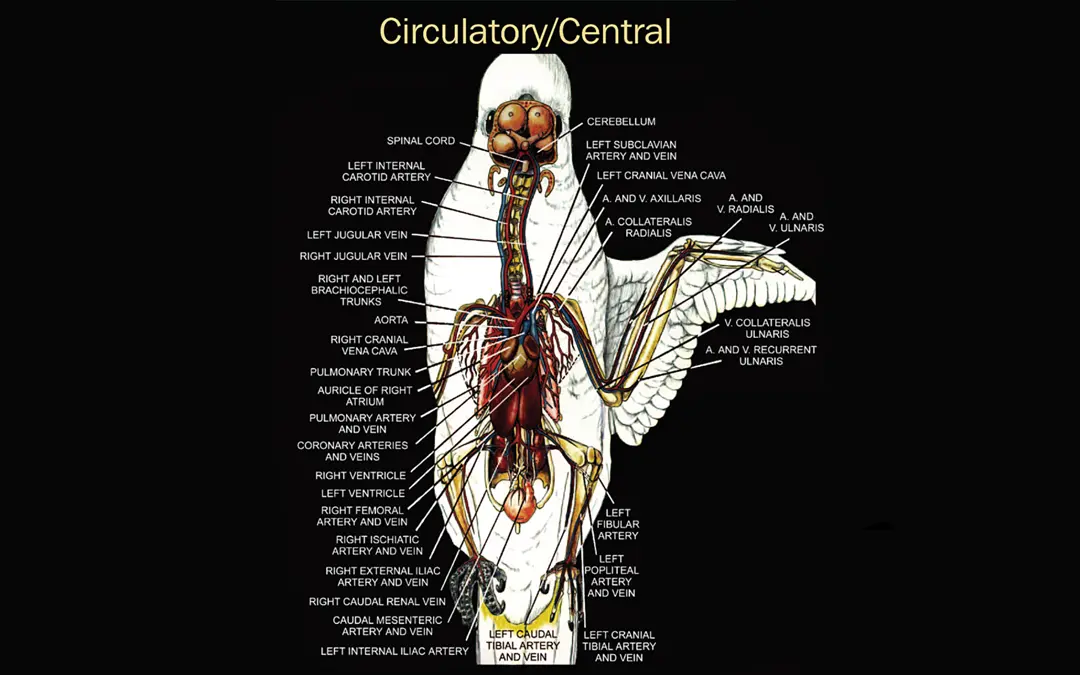
A Clinical Reference for Avian Veterinary Practitioners | Harrison’s Bird Foods Bianca Murphy, DVM, DABVP (Avian Practice) Overview of Avian Respiratory Architecture The avian respiratory system is structurally and functionally distinct from that of mammals, and...
Jul 8, 2026 | Learning Center
A Clinical Reference for Avian Practitioners | Harrison’s Bird Foods Bianca Murphy, DVM, DABVP (Avian Practice) Introduction Atherosclerosis is one of the most common and most underdiagnosed conditions in companion psittacines. It progresses silently over years,...
Jul 8, 2026 | Learning Center
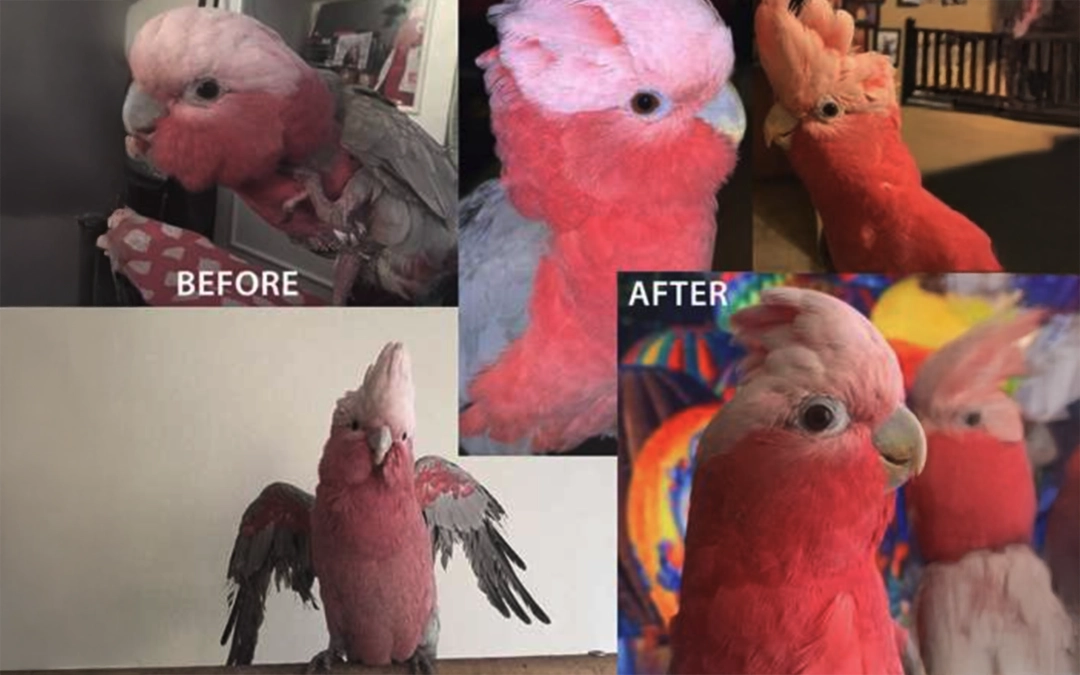
Feathers Feathers show the critical first signs of impending disease, especially if due to malnutrition. Birds in very early stages of illness include the following characteristics: Feathers fail to zip (i.e., they have saw-toothed edges). Feathers are constantly in...
Jul 8, 2026 | Learning Center
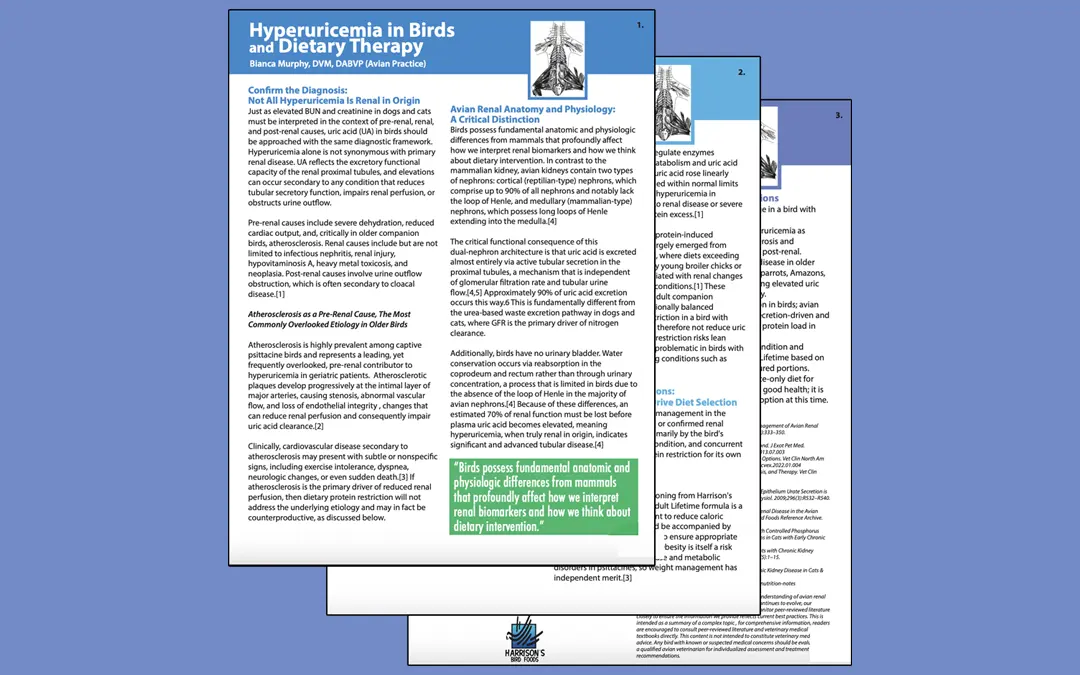
Bianca Murphy, DVM, DABVP (Avian Practice) Confirm the Diagnosis: Not All Hyperuricemia Is Renal in Origin Just as elevated BUN and creatinine in dogs and cats must be interpreted in the context of pre-renal, renal, and post-renal causes, uric acid (UA) in birds...

Jul 8, 2026 | Learning Center
A Clinical Reference for Veterinary Practitioners The Problem with Seed-Based and High-Calorie Diets Hepatic lipidosis, commonly referred to as fatty liver disease, is among the most frequently encountered hepatopathies in companion psittacines and is, in the vast...
Jul 8, 2026 | Learning Center
Decades of Avian Innovation: The Harrison Journey A Legacy Rooted in Science, Care, and Education Past: Where the Journey Began The foundation of Harrison’s Bird Foods began with a simple but powerful belief: birds deserve nutrition rooted in science, not...

