

How to Live with a Fig Parrot
Commonly kept fig parrot species include the double-eyed fig parrot and Salvadori’s fig parrot. Many species are found in New Guinea and Indonesia, while others are native to Australia. Fig parrots are common in their localities; however, they are an avicultural rarity, and only the most advanced and dedicated parrot breeders should attempt to take on these difficult species.
Because they require specialized high-fruit diets, resulting in messy droppings, large, cleanable, suspended aviaries are generally recommended rather than housing them as companion birds in the home. Their food-heavy diet results in soft, sticky droppings, requiring frequent cage cleaning. They are active and sometimes considered shy, which also makes them better suited for aviaries than in-home enclosures.
In many regions, fig parrots are protected. Before acquiring any fig parrot, it is crucial to check local laws and ensure they are captive-bred.
What to Know About Your Fig Parrot
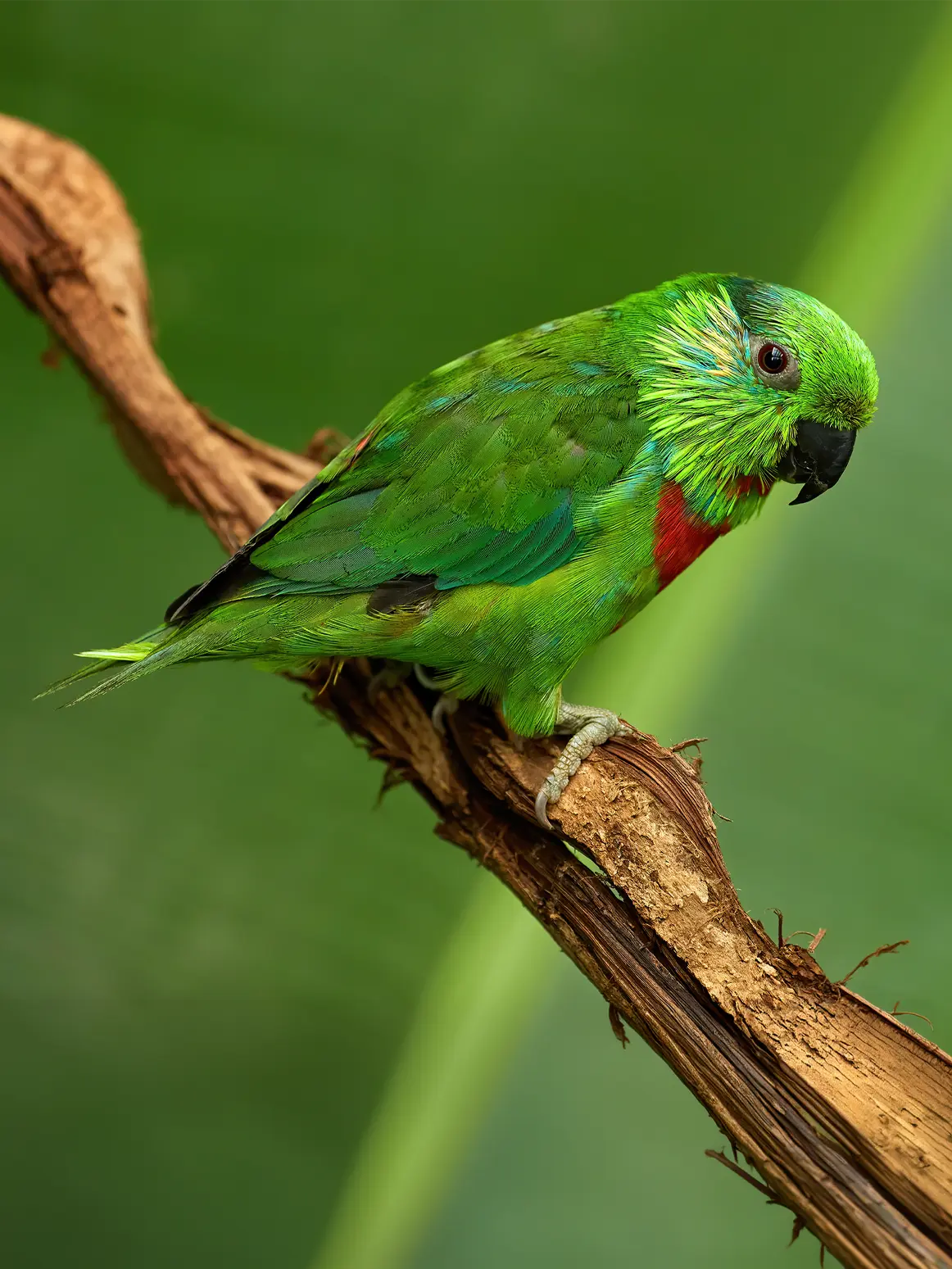
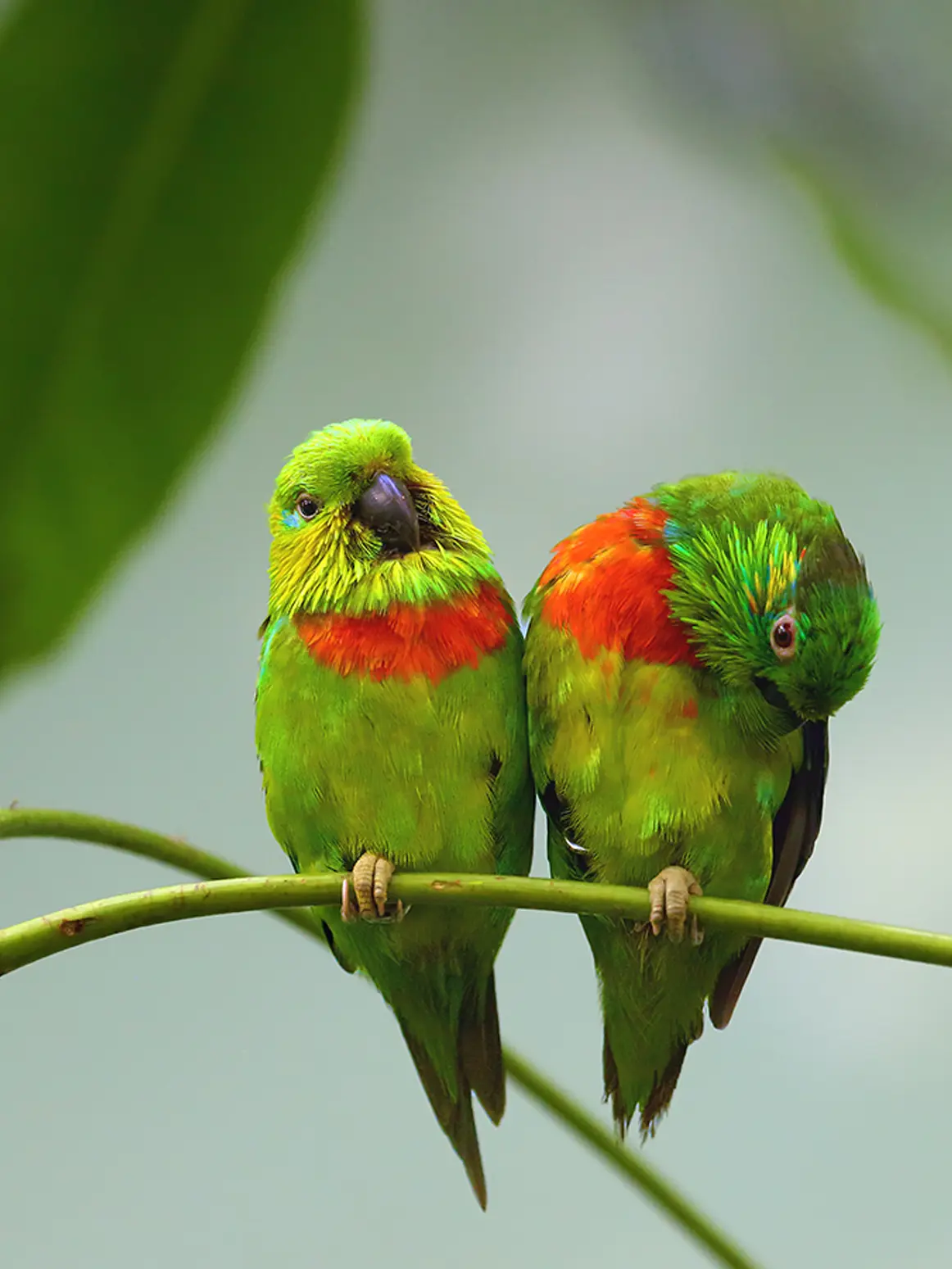
Fig parrots are small (15 cm), stocky, arboreal parrots with short, wedge-shaped tails, large, broad bills and smooth tongues. There are seven species in two genera: Nannopsittacus and Cyclopsistta. The Cyclopsitta genus includes the double-eyed fig parrot, large fig parrot, Edwards fig parrot, and Salvadori’s fig parrot. Molecular phylogenetic studies support a grouping of fig parrots with the closely related budgerigars and lories and lorikeets.
Fig parrots are reported to be reasonably hardy once fully acclimated. Their lifespan in captivity is thought to be around 10–15 years. Their vocalizations include high pitched calls and chatterings.
Is My Fig Parrot a Boy or Girl?
Sexual dimorphism is typically pronounced in most fig parrot species. The red on the cheeks of cocks is replaced by a buffish color in hens; immatures lack the red cheeks and have paler bills, they take about a year to acquire full adult appearance.
How to Keep Your Fig Parrot Happy
Due to their active nature, fig parrots need large, long aviaries (6 feet+ in length) for flight, and are often housed in suspended cages with wire basket feeders to manage mess and sanitation. An enclosure with a large inside flight cage/shelters attached to well protected outside flights is ideal, so that the birds may be allowed entrance to the outer aviaries and receive the benefit of sunshine and showers when the temperature is suitable.
In the wild, they are very specialized feeders and live mostly on the various species of small native figs, choosing the tiny seeds and generally discarding any fleshy parts. They also feed off blossoms, taking nectar and insects. They will excavate and tear apart rotten wood to get at insects, larvae and grubs, and have been seen eating rotten wood, fungus and lichen attached to bark.
In captivity a wide variety of foods is essential, from small and large seeds (including millet, canary, safflower and sunflower), to a wide variety of vegetables and fruits (including figs, apple, banana, papaya, carrot, kiwi, grapes, cherries, soft and hard berries, milky corn, sweet potato, peas, germinated mung beans). Rotten stumps of wood to gnaw appear to be an important addition to the digestive process. For all these reasons, fig parrots are more suitable as aviary birds rather than as house pets.