

How to Live with a Rosella
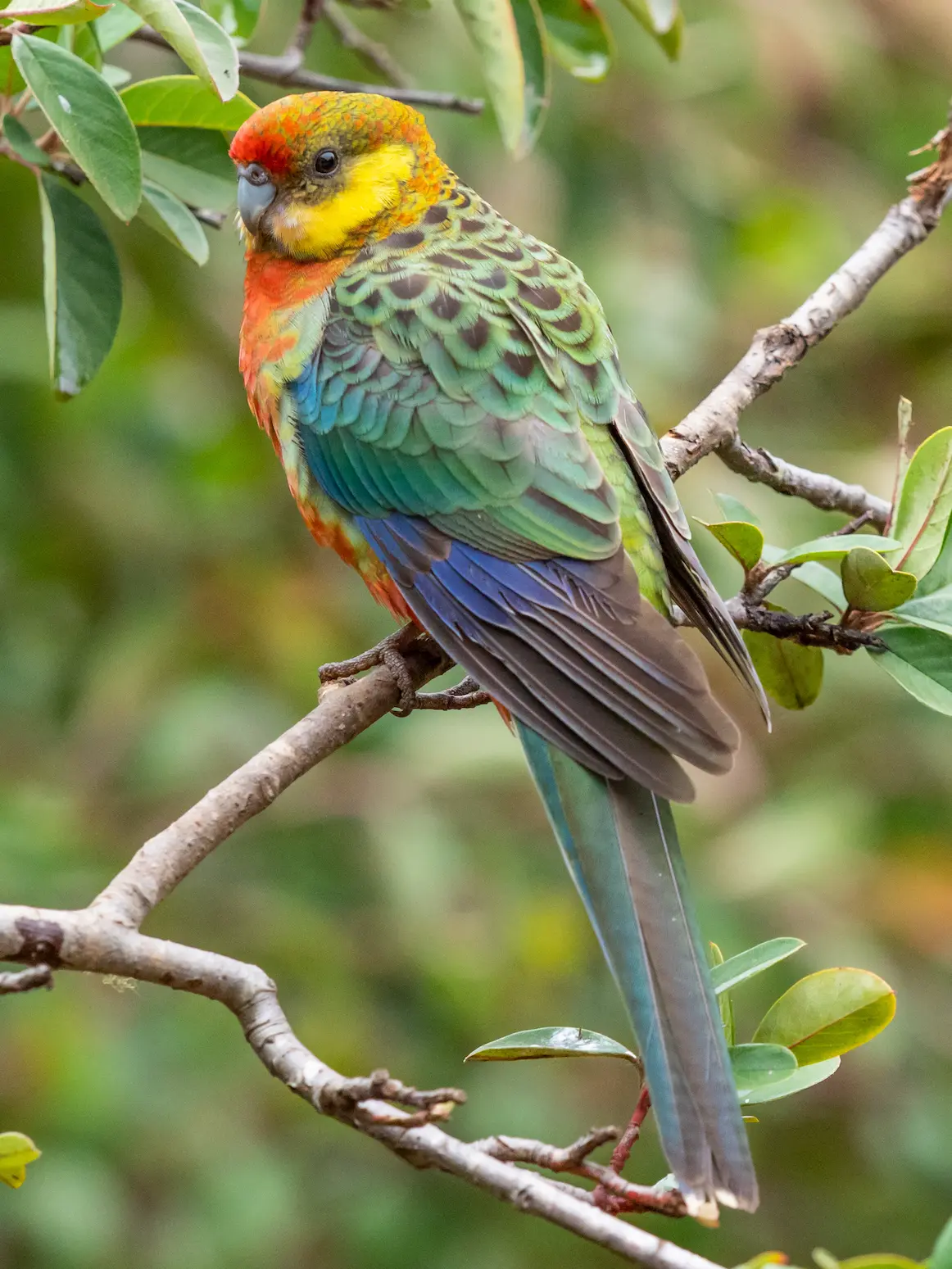
Rosellas are medium-sized Australian parrots (genus Platycercus) that are popular due to their stunning red, yellow, blue and green plumage and their distinct scalloped wing pattern. They are generally divided into the white-cheeked group, including Eastern, Northern, Pale-headed and Western rosellas, and the blue-cheeked group, which includes the Crimson, Green, Yellow, and Adelaide Rosella. Known for being independent, intelligent, and often nippy, rosellas prefer a pet-friendly lifestyle over cuddles.
What to Know About Your Rosella
Rosellas are generally independent, intelligent, and can be shy or flighty initially, requiring patience to build trust. They often dislike being held or petted, although they can become tame and sit on shoulders. They need consistent, patient interaction to maintain trust, otherwise they may become less tolerant again. Rosellas are energetic, acrobatic, and vocal in the morning, sometimes mimicking simple words or songs. They commonly live into their teens or early twenties with proper care.

Is My Rosella a Boy or Girl?
It may be challenging to sex your rosella by appearance alone because males and females look alike, although males generally have brighter plumage, a box (squarish)-shaped head, and wider beaks. A white underwing bar is absent in adult males. Laboratory or surgical testing may be necessary for definitive results.
How to Keep Your Rosella Happy
Rosellas are active flyers and require large, roomy cages or aviaries to fly and play, as they are prone to being sedentary if confined. They require plenty of toys, foraging opportunities, and stimulation, as they are very intelligent. They can be kept in pairs, as they are social creatures, but should not be housed with other birds, as they are often aggressive toward other bird species. They can be quite loud in the morning. Rosellas are susceptible to intestinal worms and fungal diseases, especially in aviary settings.