
How to Live with a Pet Pigeon
Pigeons have the potential to make very good pets, especially if hand raised. They are intelligent and affectionate, and their calm, trainable nature and ability to form strong bonds make them rewarding pets for the right owner.
On the other hand, they require significant commitment in terms of daily care, space, and attention. Owners must be prepared for daily cage cleaning due to frequent droppings and pigeon “dust.” If pigeons are housed indoors, there must be some high-quality air filter (such as Rabbit Air) in the room, because breathing pigeon dust can result in “pigeon lung,” a potentially toxic condition.
What to Know About Your Pet Pigeon
Common breeds of pigeons include homing or racing pigeons, meat pigeons (squab), flyers (rollers, tumblers, high-flyers) and fancy pigeons (fantails, pouters, archangels).
Free-ranging pigeons have the ability to “home,” i.e., find their way back to their nests, and racing pigeons have been selected for this ability. Fancy and meat pigeons have generally lost the homing instinct, as they were bred for appearance or rapid growth. Lifespan averages 11 years; maximum has been reported as 39 years.
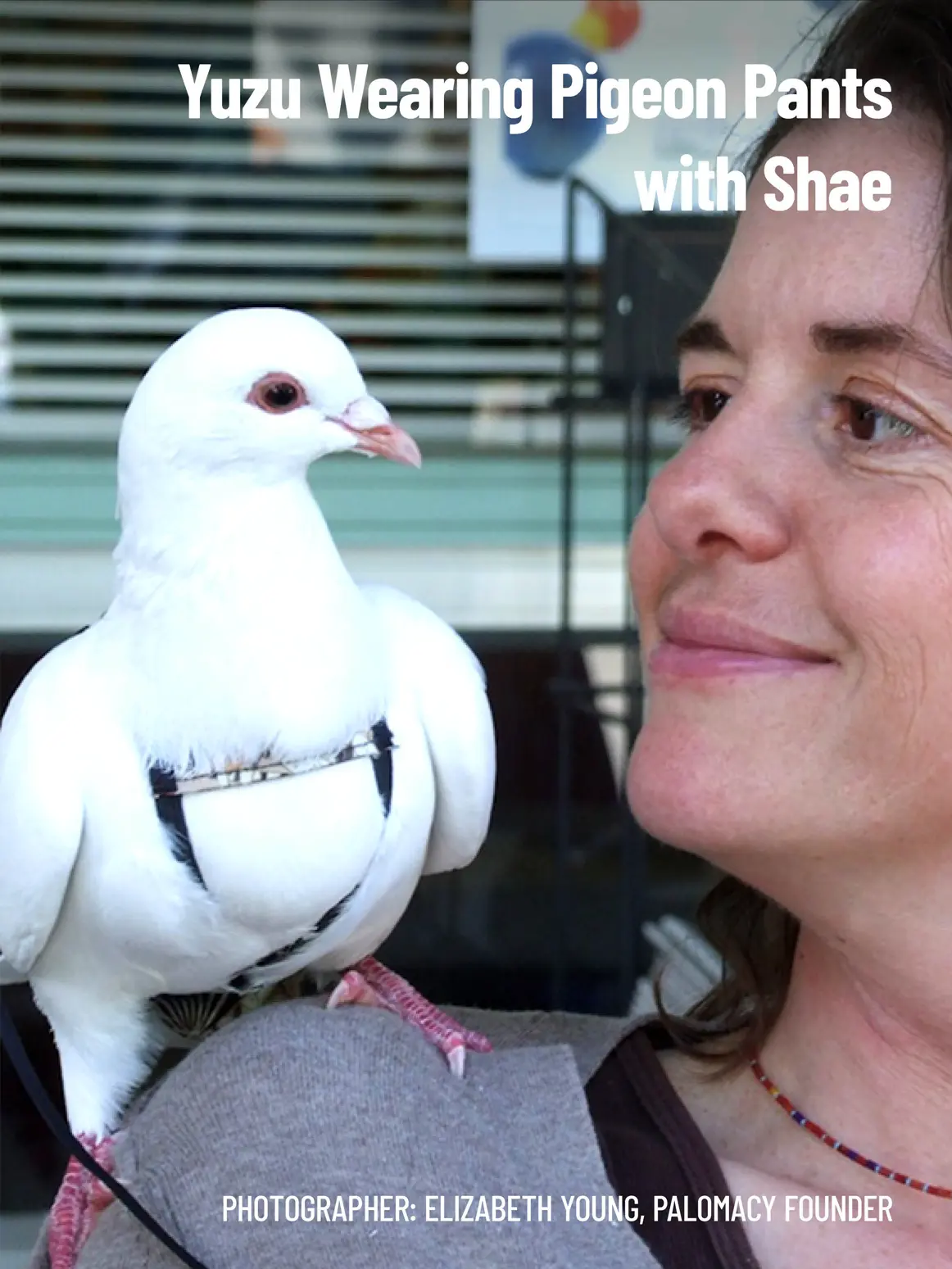

Is My Pet Pigeon a Boy or Girl?
Generally, male pigeons are bigger and heavier than females. There are variations in head size and shape, plus beak differences. Neck and chest sizes of males are larger than females as well. Pigeons have very large, bilobed crops and are unique in that both parents make “crop milk” for their young up to 10-14 days of age.
Pigeons are generally monogamous and mate for life. Pigeon racers commonly use mating behavior to their advantage by separating the males and females all week and letting them see each other before the race, so they fly home faster to their mates (“widowhood”).
How to Keep Your Pet Pigeon Happy
Pigeons are social flock animals that need companionship, either from another bird or a human. In a group aviary, they establish a definite pecking order in the loft and occasionally will scalp the lower ranking birds if they are overcrowded.
The most common health disorders include trichomonas or “canker” (clinical signs are head-shaking and yellow plaques in the mouth); upper respiratory infections from various bacterial causes (signs include sneezing, nasal discharge and wet spots on the shoulders where the birds wipe their nares); chlamydiosis or “one-eyed cold” conjunctivitis; coccidiosis (“going light”); and viral diseases (immune suppression, hepatitis and/or death).
Housing
Pigeons are generally housed in outdoor lofts large enough to allow them to fly up to flat perches. Breeder lofts contain nest boxes or cages, and lofts for racing or show birds contain flat perches, which best support their foot structure. Show birds are sometimes housed in individual cages and some fancy breeds are better housed with rounded perches to prevent soiling of the foot feathers.
The lofts should be cleaned frequently and have adequate ventilation. Supplemental heat or cooling is usually not necessary, but in cold areas the lofts are usually insulated for winter. Hot water pipes can be used as perches in some areas.
(From pigeonrescue.org): “Pigeons can also live inside with the family. They need a big cage for their home base (a double-flight cage or an extra-large dog kennel is a good size for a pair) with daily out-of-cage time to stretch their legs and wings and have some fun. They’ll walk around more than fly and will pick out some favorite spots for hanging out. Pigeons are smart, easy-going birds that quickly learn household routines. They do fine in homes with other pets and can live peacefully and unafraid with dogs and cats as long as they are kept safe. Pigeons are very emotional and do need a BFF, whether another bird or a human with whom they can spend the day. (Home all alone in a cage isn’t a good life for a pigeon.)”
On the other hand, racing pigeons have been bred as high-activity, elite athletes, so they do not do very well inside a house. However, if protected from predators they can make good pets in an aviary.
Diet
There are a number of commercially available pigeon diets, most based on seed or grain mixes, and some pelleted feeds. If pigeons are offered whole seeds, grit is necessary for grinding of the grain in the ventriculus. Mineral supplementation is necessary if only grain is fed.
According to Dr. Jan Hooimeijer, a well-known (retired) pigeon veterinarian from The Netherlands, malnutrition within the aviculture of racing pigeons is underestimated. In older breeding pigeons, the results of long-term malnutrition are seen: molting disorders, diminished feather quality, egg quality problems and diminished development of their young. The life expectancy of even the best racing pigeons is less than 10 years of age. The life expectancy of racing pigeons on a complete balanced diet would be closer to 20-25 years.
A growing number of fanciers are realizing that proper organic nutrition without agricultural pesticides, herbicides or anti-fungal products can make a difference during the breeding season, the racing season and the molting period.
According to Dr. Hooimeijer, “We recommend Harrison’s High Potency Fine during the time of breeding when the female is developing the eggs. When the youngsters are fed with crop milk, we advise to add Juvenile formula and High Potency Fine. High Potency Fine or Power Treats are added 3-4 days before racing and 1-2 days after returning home. We advise adding High Potency Fine during the molt. The most valuable racing pigeons are the older breeding pairs. We recommend adding High Potency Fine for those pigeons all year. The health and performance improvements will be greatest with a complete diet change. The whole management of housing and care is also crucial in racing pigeons, including a stress-free relationship between the fancier and the pigeons.”