
How to Live with a Cockatoo
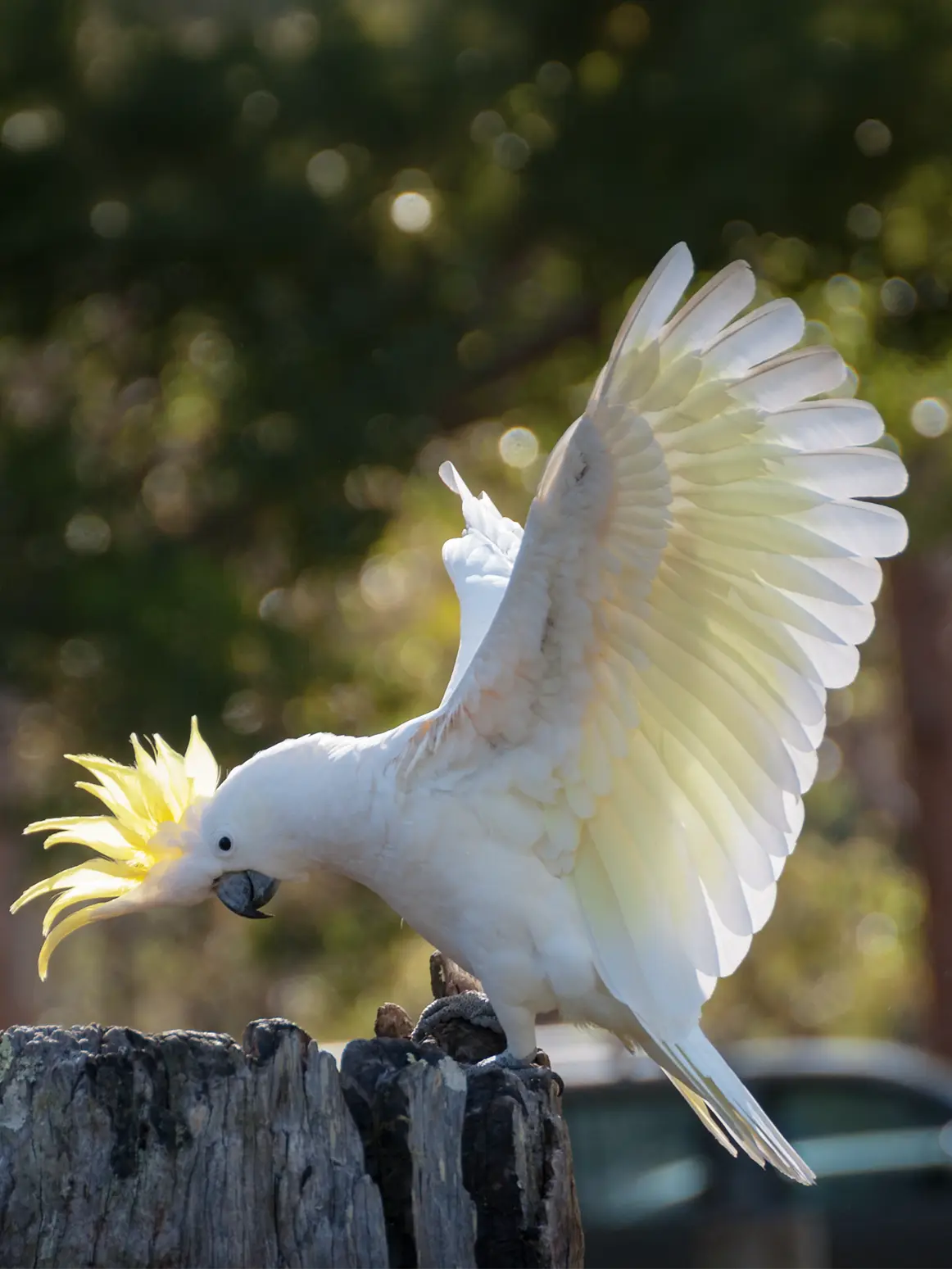
Although there are some species differences, most cockatoos that are kept as pets (white, pink) are intelligent, charming, affectionate and like to be cuddled. However, if they are not properly socialized and given constant enrichment and exercise opportunities, this can lead to inappropriate behavior – screaming, biting and destructive activity.
The popular white cockatoo species produce powderdown, which is shed as feather dust in the enclosure and can circulate in the air, making it challenging for family members with respiratory allergies. It is advised to have an air filter in the bird room and to mist the environment frequently to reduce feather dust.
What to Know About Your Cockatoo
Cockatoos are native to Australia, New Zealand and South Pacific Islands. They are available in the pet market from breeders because all species are considered threatened or endangered in the wild.
Common disorders of cockatoos include behavioral (screaming, biting), feather destructive behavior (self-mutilation), mate aggression and malnutrition (obesity, fatty liver syndrome, metabolic bone disease in chicks). Unfortunately, among common pet species, they are the most reluctant to change their eating habits to a healthy diet.

Is My Cockatoo a Boy or Girl?
The gender of a cockatoo may be presumed from the eye color: in adult males it is usually dark brown and in adult females it is light or reddish brown. However, this is not totally dependable; therefore, endoscopy or laboratory means may be used for confirmation.
How to Keep Your Cockatoo Happy
Because of their intelligence and curious nature, cockatoos require proper socialization. Their enclosure should be especially secure because they can be escape artists. They appreciate safe toys and being housed in an active area of the home with family members. They are too smart to be put in a cage with 2-year-old toys.