

How to Live with a Finch
Finches are generally quiet, beautiful and interesting birds to observe, which makes them popular as companion or display birds. They are hardy, easy to maintain and do not require the level of attention needed by parrots. In fact, they are considered “skittish” and will usually fly away when approached. Finches are happiest in the company of other finches, especially because they rarely develop a bond with family members, although some individuals may be finger-trained.
Finches spend a great deal of their time eating and should be offered pesticide-free food. Some exotic finches enjoy live food such as mealworms but have been bred on vegetarian diets. Depending on the climatic conditions and the durability of the species, many finches can be maintained in attractive, outdoor aviaries planted with nontoxic vegetation.
What to Know About Your Finch
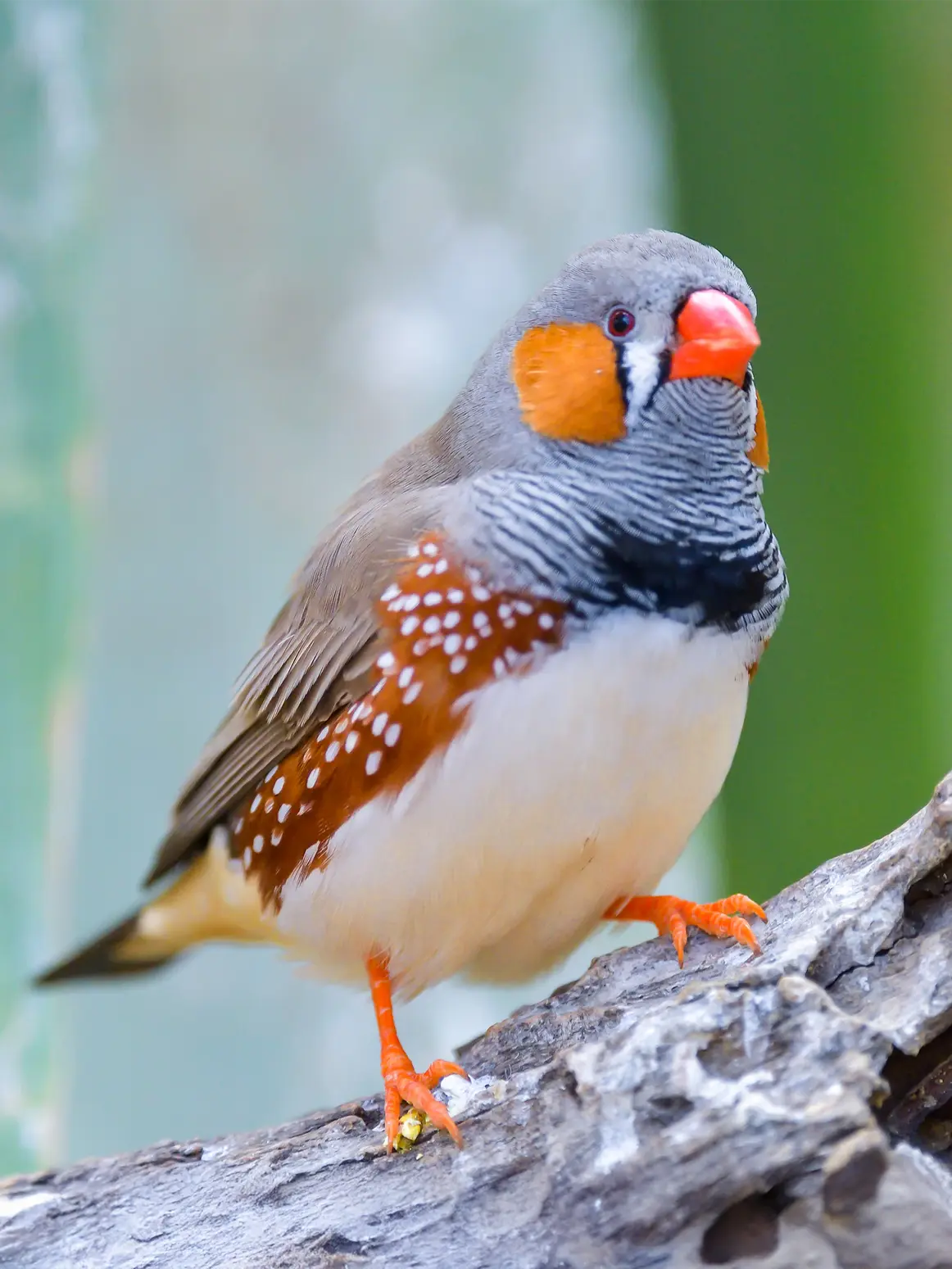
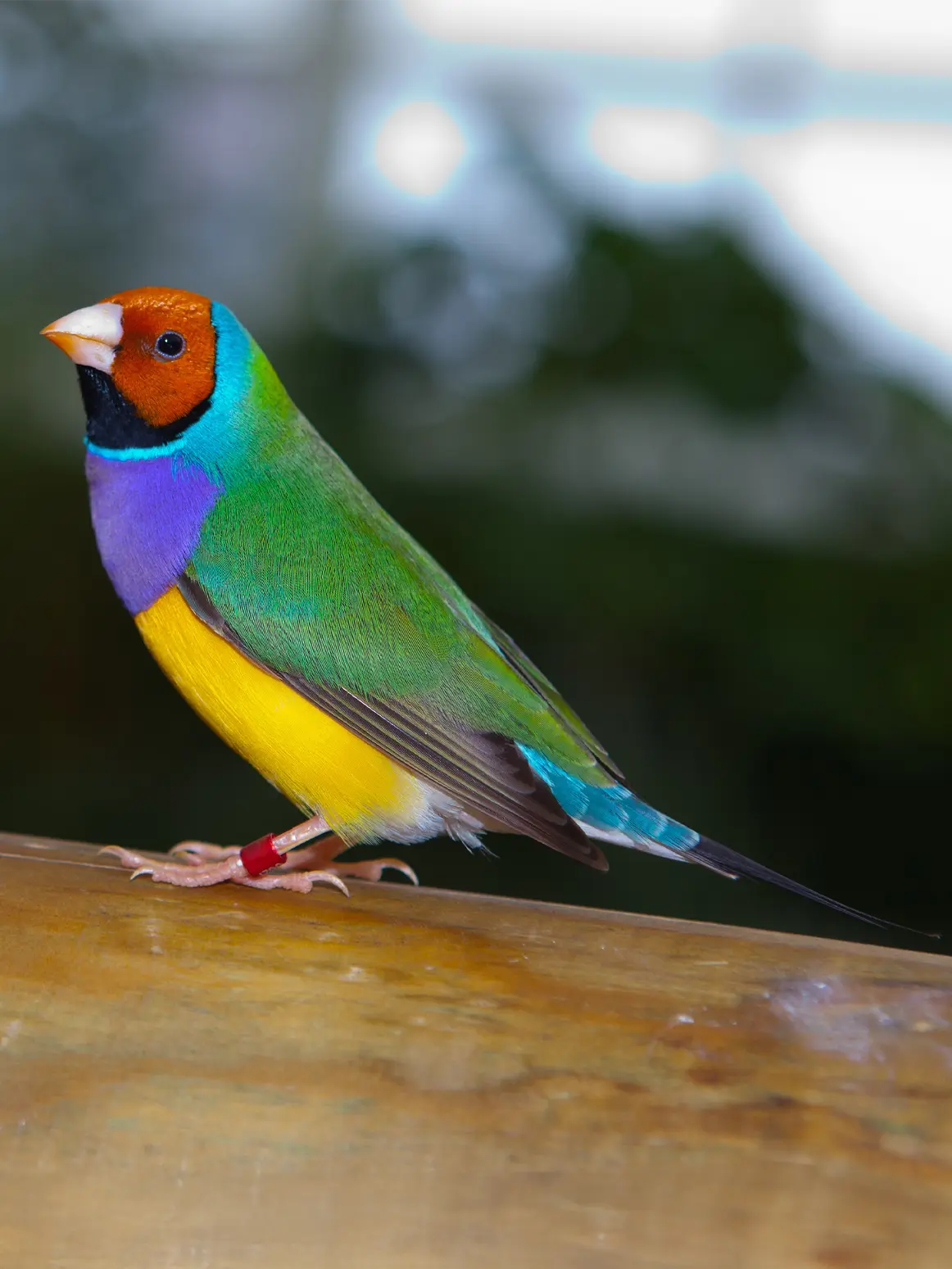
Free-ranging finches can be found world-wide, although many species are critically endangered because of habitat destruction and human interference. The most popular finches in captivity are native to Australia or Africa. The zebra finch is the most popular, while the Lady Gouldian finch is considered the most beautiful. Bengalese (Society) finches are friendly, easy to care for and breed well in captivity. Because finches are easy to breed, breeding for color or morphologic mutations produces a weaker bird with greater potential for genetic abnormalities or shortened life span.
Is My Finch a Male or a Female?
Gender distinction includes coloration, song and breeding behaviors. Males are generally more brightly colored or marked than females, particularly during the breeding season. Males usually have melodious songs, perform a dance, hop in various postures and build the nest. Females often have more of a chirp and are more passive in the courtship role. Finches are prolific breeders (sexual maturity is 2 months of age), and the chicks are usually parent-raised. Society finches make good foster parents for young of other finch species.
How to Keep Your Finches Happy
While finches may be small in size (3-8 inches in length, body weight of 10-20 grams), some species are territorial in aviary situations and others have well developed pecking orders. Self-mutilation, poor body condition and increased susceptibility to disease may be indirect results of aggression in birds that are stressed because of their low social position. To protect finches and reduce environmental stress, full flight should be allowed in a well-protected horizontal enclosure to allow for normal flying patterns and prevent overcrowding at the same level. Vegetation or visual barriers (for example, burlap sheets) in the enclosure provide less-dominant birds with an escape area and privacy. The most common health disorders in finches include: viral diseases, feather problems, internal and external parasites, egg binding, intraspecific aggression, and malnutrition.